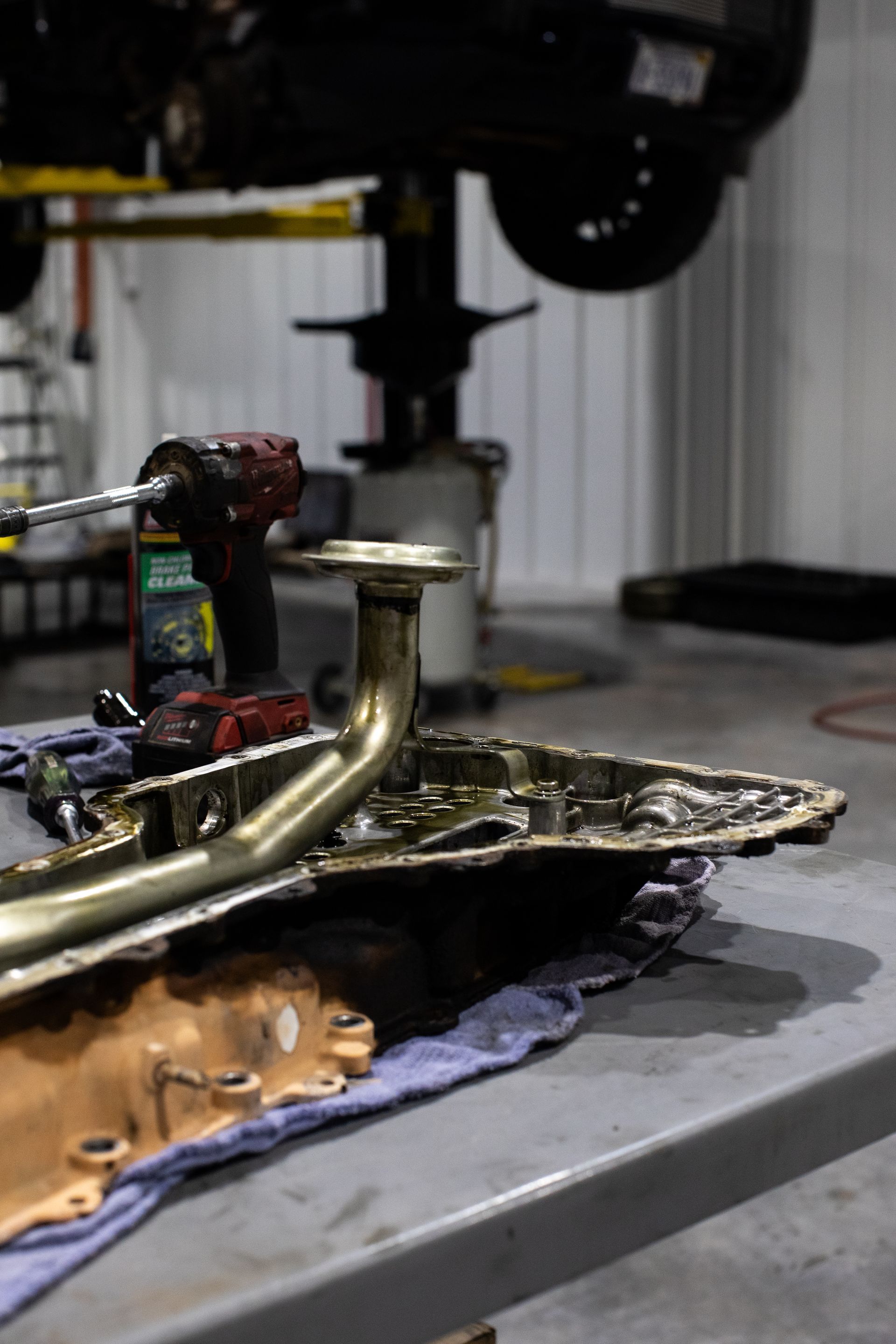
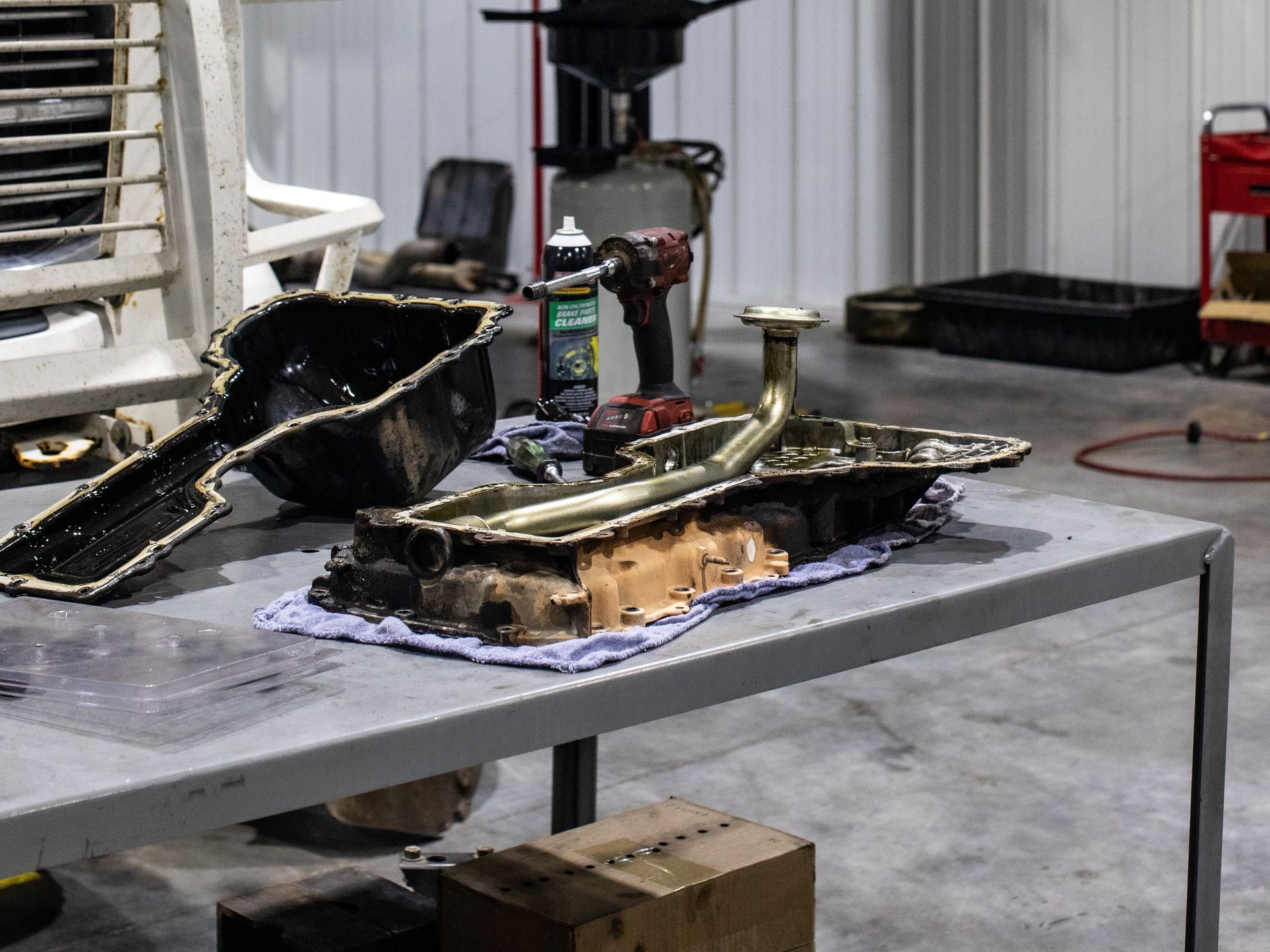
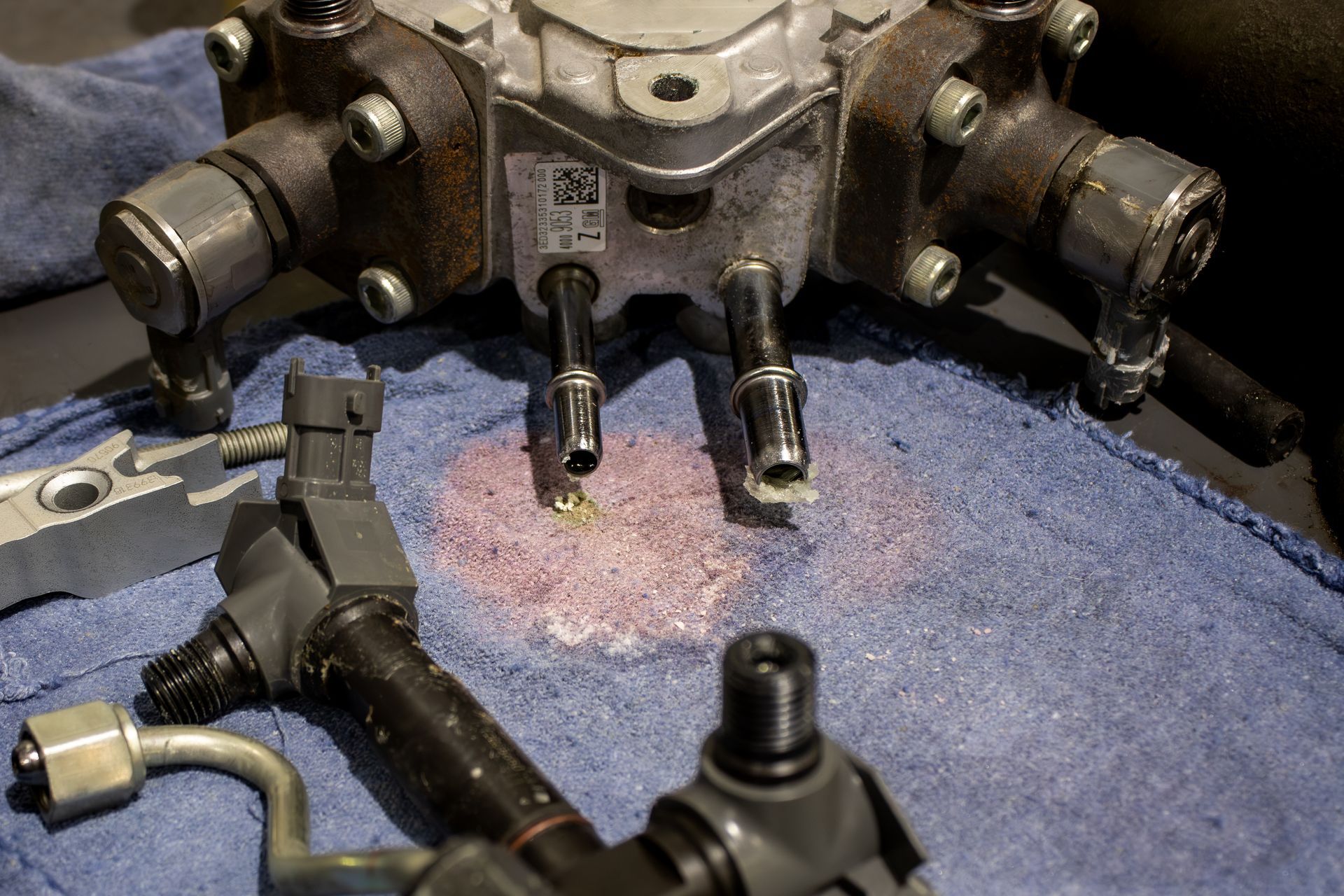
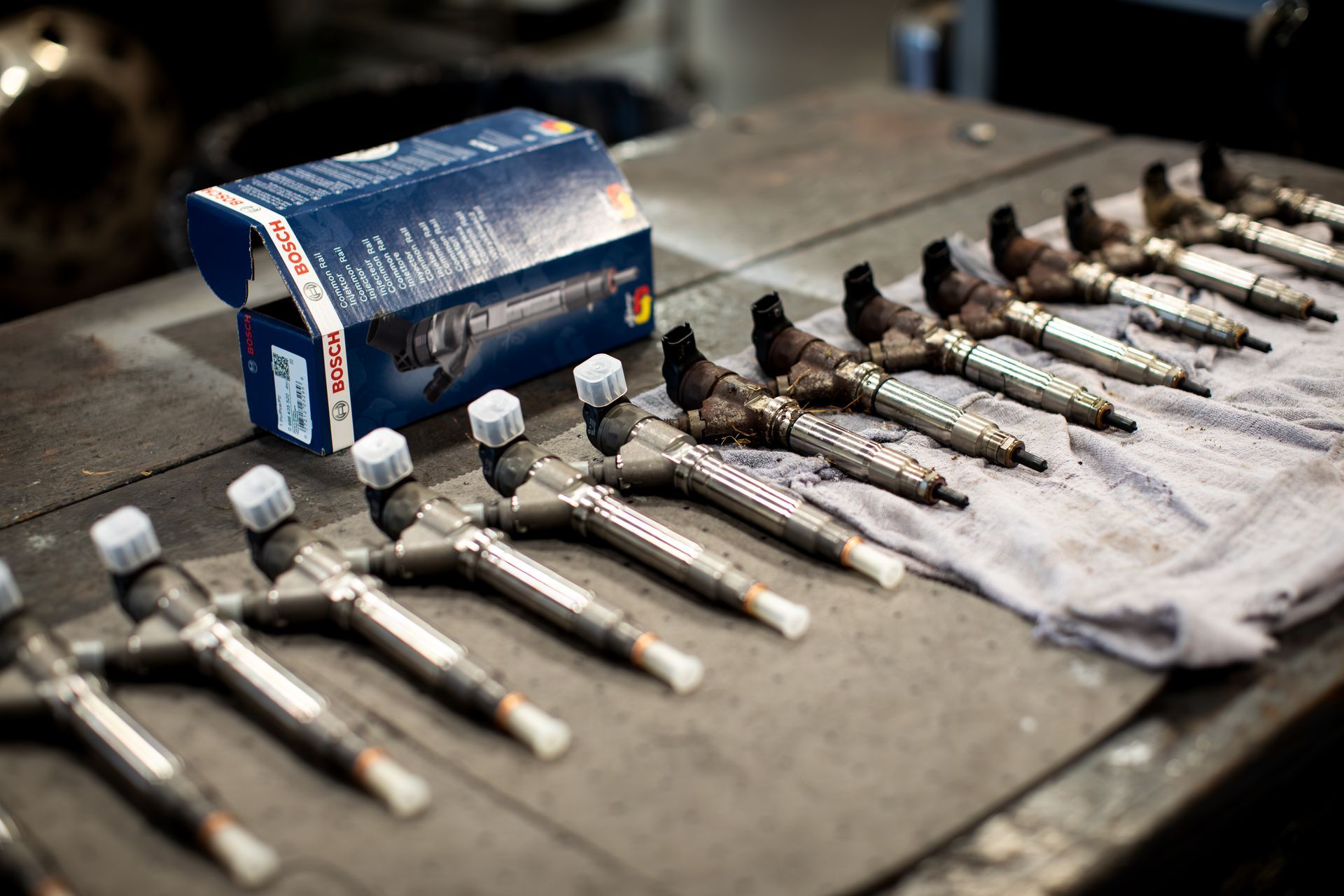
Accidentally putting diesel exhaust fluid—commonly called DEF—into a diesel fuel tank can happen more easily than many people realize. The DEF and diesel fill points may be located close together, and one distracted moment can lead to an expensive mistake. There’s no reason to feel embarrassed. What you do next is what matters most. What Should You Do First? If you realize that DEF was added to the diesel fuel tank: Do not start the engine. Do not turn the key on. Do not attempt to drive the truck. Have the truck towed to a qualified diesel repair facility. Starting the engine can circulate contaminated fuel through more of the system, potentially increasing the extent and cost of the repairs. Why Can DEF Cause So Much Damage? DEF is designed for the emissions system, not the fuel system. It is injected into the exhaust to help reduce emissions. When DEF enters the diesel fuel system, it can contaminate or damage components including: The fuel tank Fuel lines Fuel filters The high-pressure fuel pump Fuel rails Diesel injectors Modern common-rail diesel systems operate at extremely high pressures and contain components manufactured with very tight internal clearances. Contamination can lead to corrosion, deposits, loss of lubrication, and component failure. Does the Truck Need a Complete Fuel-System Replacement? Not necessarily. The required repair depends on several factors: How much DEF entered the tank Whether the key was turned on Whether the engine was started How long the truck was driven How far the contamination traveled Whether any fuel-system components were damaged If the truck was never started, the contamination may be limited. If it was driven, the DEF may have circulated throughout the high-pressure fuel system. That is why the system needs to be inspected before the proper repair can be determined. Will Insurance Cover DEF Contamination? Some insurance policies may cover accidental fuel contamination, but coverage varies. The decision is made by the customer’s insurance company and depends on the individual policy and circumstances. Anderson Diesel Service can document what we find, prepare the necessary estimate, and work with your insurance company throughout the repair process. We cannot guarantee coverage or claim approval. DEF Contamination Repair in Grand Island, Nebraska At Anderson Diesel Service, we diagnose and repair contaminated diesel fuel systems on Power Stroke, Cummins, and Duramax pickups. If DEF gets put into your diesel fuel tank, don’t panic and don’t start the truck. Have it towed to our shop so we can inspect the system and determine the next steps. No judgment—just help. Call Anderson Diesel Service in Grand Island at (308) 389-3590 .
Don't GUESS-DIAGNOSE
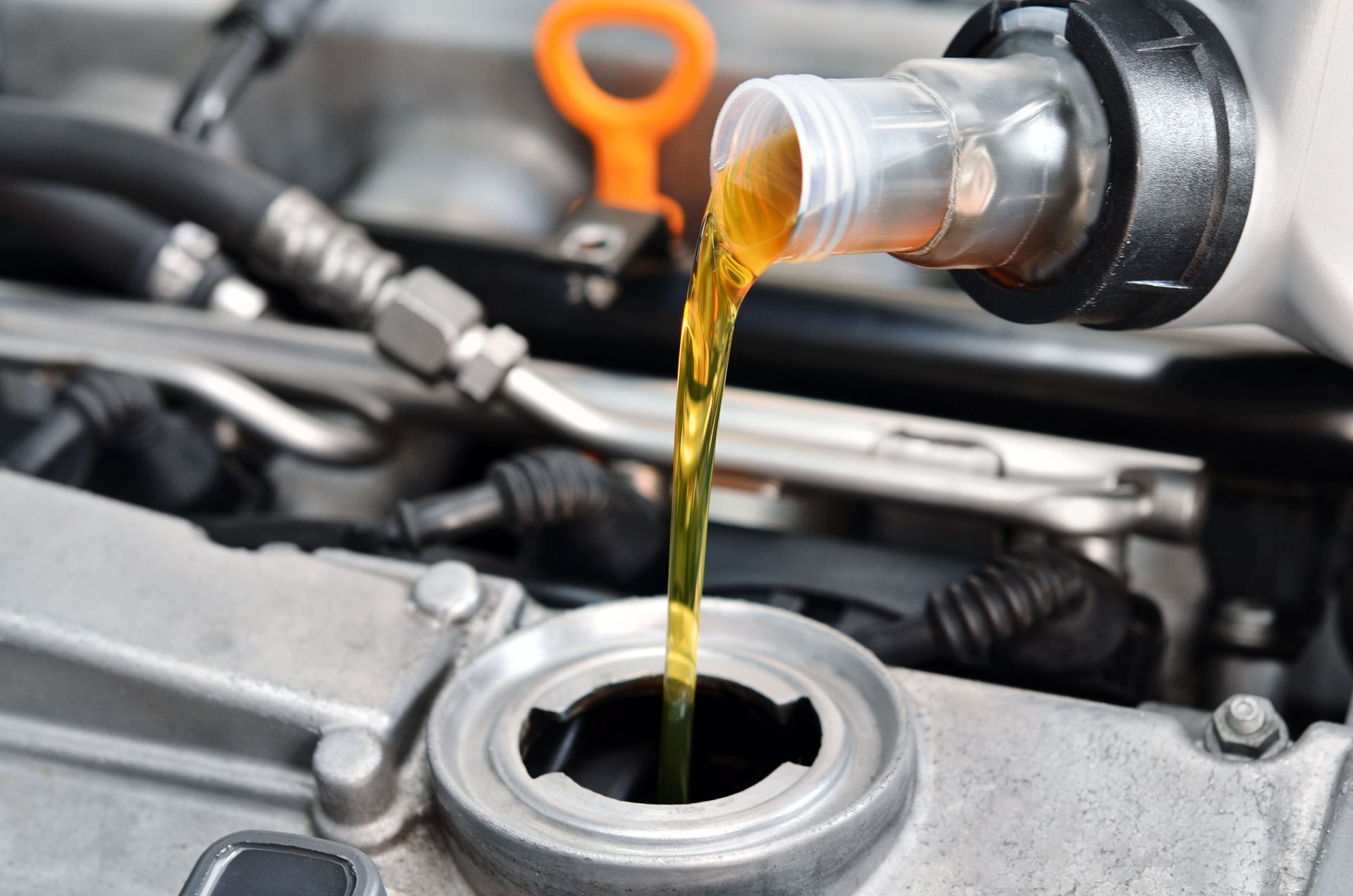
Diesel shops offer a few very important services that can help to keep your automobile running smoothly. Here is some of what they offer!