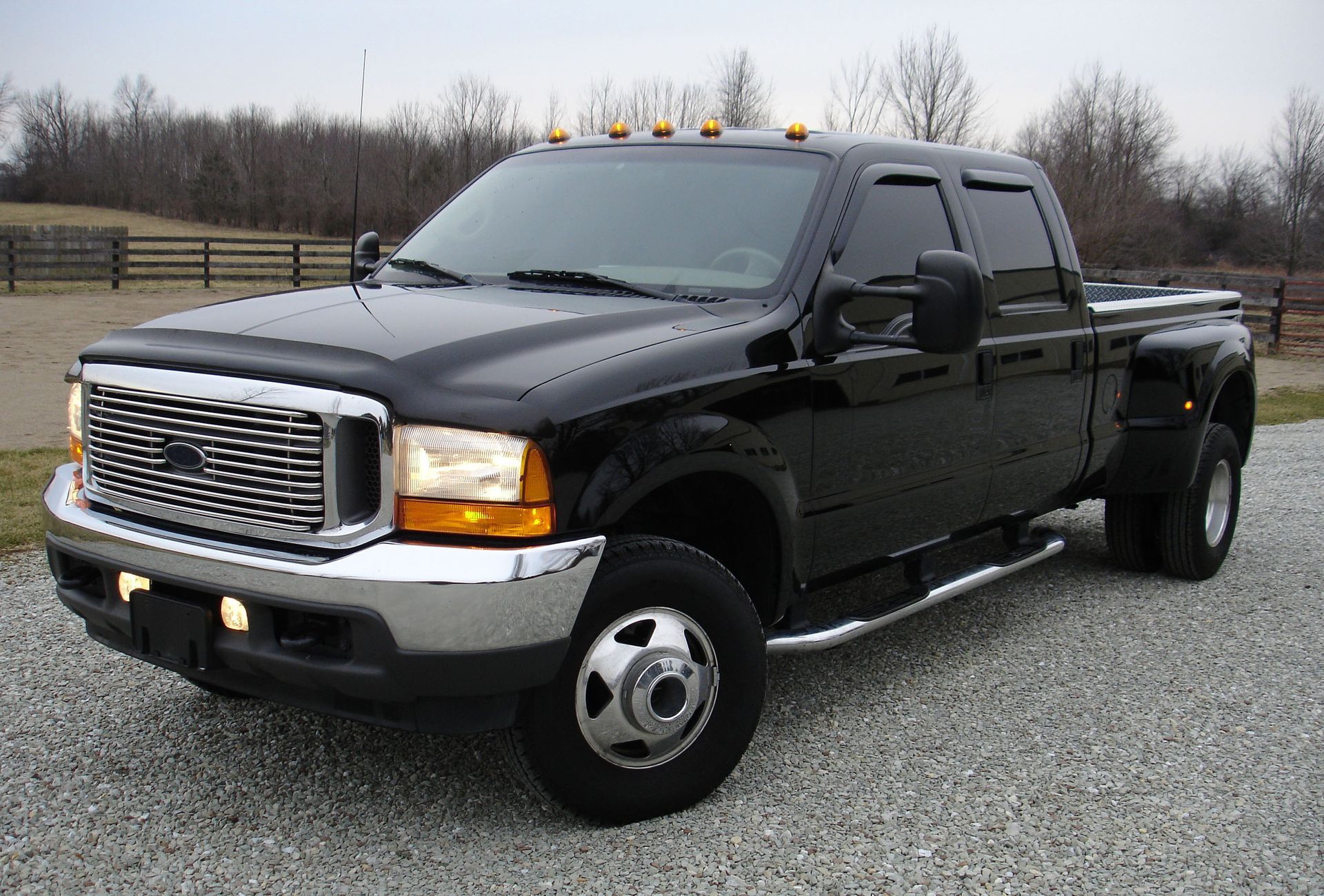
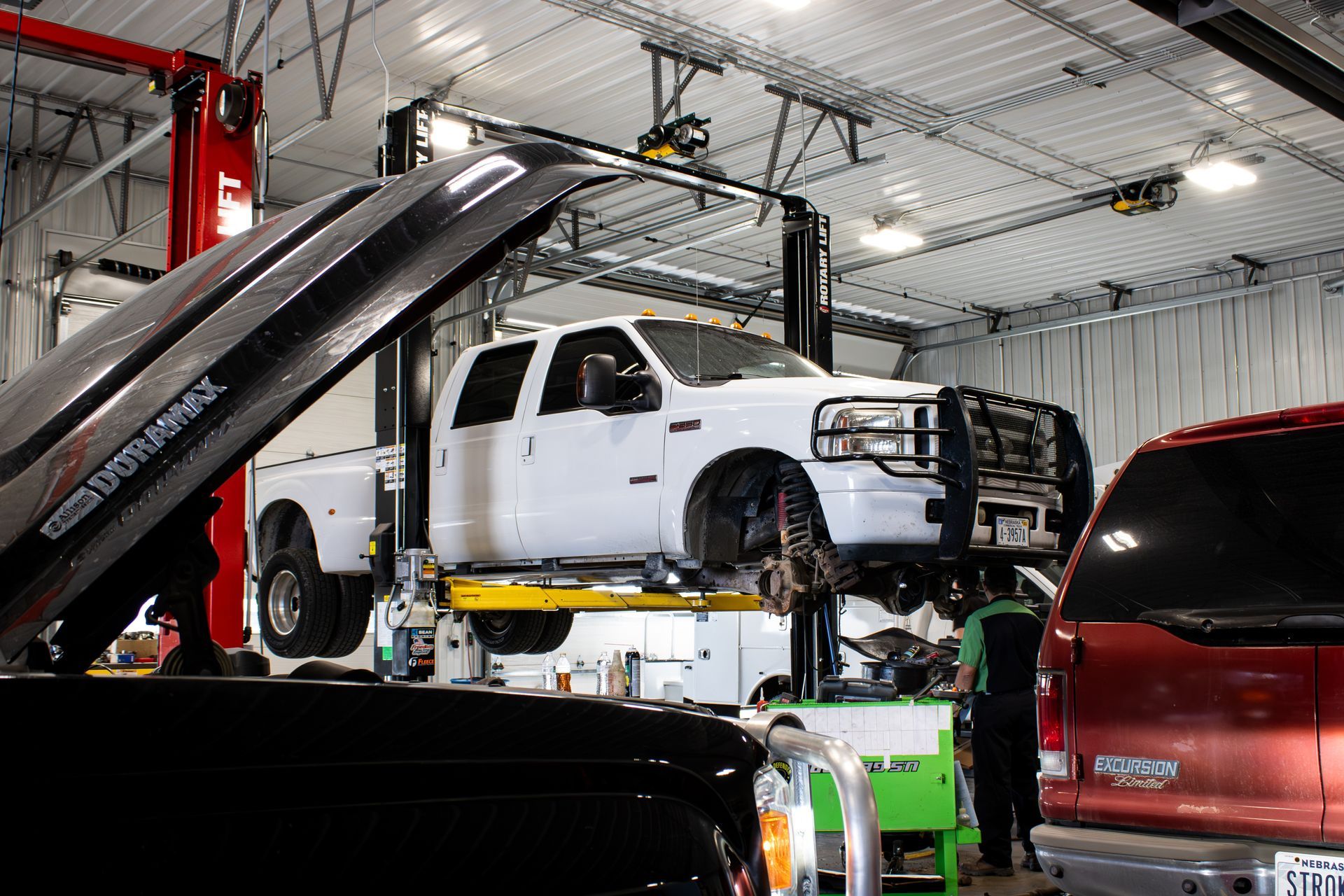
¿Tu camioneta diésel está perdiendo potencia, echando demasiado humo, teniendo problemas para arrancar o fallando de la transmisión? Sabemos lo importante que es tener un vehículo confiable, especialmente cuando dependes de tu camioneta para trabajar, transportar equipo, remolcar o realizar tus actividades diarias. En Anderson Diesel Service , ubicado en Grand Island, Nebraska, ofrecemos servicios de diagnóstico, mantenimiento y reparación de camionetas y camiones diésel. Trabajamos con motores Cummins, Duramax y Power Stroke , además de camiones de trabajo, vehículos comerciales y flotillas. Y si prefieres comunicarte en español, ¡contamos con un mecánico que habla español! Reparación de Camionetas Diésel: Cummins, Duramax y Power Stroke Los motores diésel requieren conocimientos y herramientas especializadas para identificar y solucionar problemas correctamente. En Anderson Diesel Service trabajamos con diferentes sistemas y componentes de camionetas diésel, incluyendo motores Cummins, Duramax y Power Stroke. Algunos de los problemas más comunes que podemos diagnosticar incluyen: Dificultad para arrancar o un motor que no enciende. Pérdida de potencia al acelerar, trabajar o remolcar. Humo excesivo por el escape. Funcionamiento irregular del motor. Sobrecalentamiento. Problemas con la transmisión o los cambios de velocidad. Luz de advertencia del motor ( Check Engine ). Si notas alguno de estos síntomas, es importante identificar qué está causando el problema antes de reemplazar piezas innecesariamente. Diagnóstico Diésel: Encontrar el Problema Antes de Cambiar Piezas No todos los problemas de un motor diésel son fáciles de identificar. En ocasiones, una camioneta puede perder potencia solamente cuando está remolcando, sobrecalentarse bajo cargas pesadas o presentar fallas intermitentes. Incluso puede funcionar perfectamente cuando llega al taller. Por eso, leer los códigos de falla es solamente una parte del proceso de diagnóstico. En Anderson Diesel Service utilizamos pruebas, inspecciones y nuestra experiencia en sistemas diésel para investigar qué está causando el problema. Nuestro objetivo es identificar la falla y recomendar la reparación adecuada, en lugar de simplemente cambiar piezas sin saber cuál es el problema. Servicio de Inyección de Combustible Diésel El sistema de inyección de combustible es una parte fundamental del funcionamiento de un motor diésel. Cuando los inyectores, las bombas de alta presión u otros componentes comienzan a fallar, pueden aparecer problemas como pérdida de potencia, dificultad para arrancar, humo excesivo o funcionamiento irregular. En Anderson Diesel Service ofrecemos servicios relacionados con: Pruebas y servicio de inyectores diésel. Diagnóstico y reparación de bombas de combustible. Servicio de sistemas de inyección Common Rail . Pruebas de presión de combustible. Limpieza y reparación de sistemas de combustible. Atención a problemas de contaminación por gasolina o líquido DEF en el combustible. También ofrecemos conversiones de bomba CP4 a CP3 para camionetas compatibles . En ciertos tipos de fallas, una bomba CP4 puede generar partículas metálicas que contaminan otras partes del sistema de combustible. Una conversión a CP3 puede ser una alternativa para algunos propietarios que desean cambiar la configuración original de su sistema. Si tienes preguntas sobre el sistema de combustible de tu camioneta, podemos ayudarte a conocer las opciones disponibles. Reparación de Motores y Transmisiones Diésel Cuando utilizas tu camioneta para trabajar, remolcar o transportar cargas pesadas, necesitas que el motor y la transmisión funcionen correctamente. Una transmisión que cambia bruscamente, un motor que pierde potencia o un vehículo que se sobrecalienta pueden ser señales de que algo necesita atención. En Anderson Diesel Service ofrecemos diagnóstico y reparación de motores y transmisiones diésel. Cada vehículo y cada problema son diferentes. Por eso, evaluamos la condición del vehículo para determinar qué reparaciones son necesarias. Mantenimiento de Camionetas Diésel No tienes que esperar a que tu camioneta deje de funcionar para llevarla al taller. El mante nimiento adecuado ayuda a identificar problemas antes de que se conviertan en reparaciones más grandes. Dependiendo del vehículo y las recomendaciones del fabricante, algunos puntos importantes incluyen: Cambios de aceite y filtros. Revisión del sistema de combustible. Inspección del sistema de enfriamiento. Revisión de baterías y sistema de carga. Inspección de componentes del motor. Mantenimiento de la transmisión. Mantener tu camioneta en buenas condiciones es especialmente importante si la utilizas diariamente para trabajar. Servicio para Camiones de Trabajo y Flotillas Sabemos que cuando un camión de trabajo se descompone, no solamente es un problema mecánico: también puede afectar tu negocio. Por eso, Anderson Diesel Service ofrece mantenimiento, diagnóstico y reparación para camiones diésel de trabajo, vehículos comerciales de servicio mediano y flotillas. Ya sea que tengas un solo camión o varios vehículos en tu negocio, podemos ayudarte con sus necesidades de mantenimiento y reparación. Nuestro objetivo es ayudarte a reducir el tiempo que tus vehículos pasan fuera de servicio. Venta de Refacciones Diésel en Grand Island Además de nuestros servicios de reparación, Anderson Diesel Service también ofrece refacciones para motores y sistemas diésel. Si necesitas piezas para mantenimiento o reparación, nuestro equipo puede ayudarte a encontrar las refacciones adecuadas según la aplicación y disponibilidad. Un Taller Diésel Familiar en Grand Island, Nebraska Anderson Diesel Service es un negocio familiar con una larga trayectoria en Grand Island. Con el paso de los años, hemos crecido de un pequeño taller de dos bahías de servicio a unas instalaciones de 14 bahías ubicadas en Silver Road. Aunque nuestro taller ha crecido, seguimos siendo un negocio familiar dedicado al servicio y reparación de vehículos diésel. Atendemos a propietarios de camionetas, agricultores, trabajadores y negocios que dependen de sus vehículos para seguir adelante. ¿Necesitas Reparar tu Camioneta Diésel? ¡Podemos Ayudarte! Si tu camioneta Cummins, Duramax o Power Stroke tiene problemas para arrancar, está perdiendo potencia, presenta fallas de transmisión o necesita mantenimiento, comunícate con Anderson Diesel Service. ¡También contamos con un mecánico que habla español! Si prefieres comunicarte en español, puedes preguntar por nuestro mecánico que habla español cuando nos llames o visites. Anderson Diesel Service 📍 Grand Island, Nebraska 📞 (308) 389-3590 ¡Llámanos para hablar sobre tu vehículo y programar una cita!
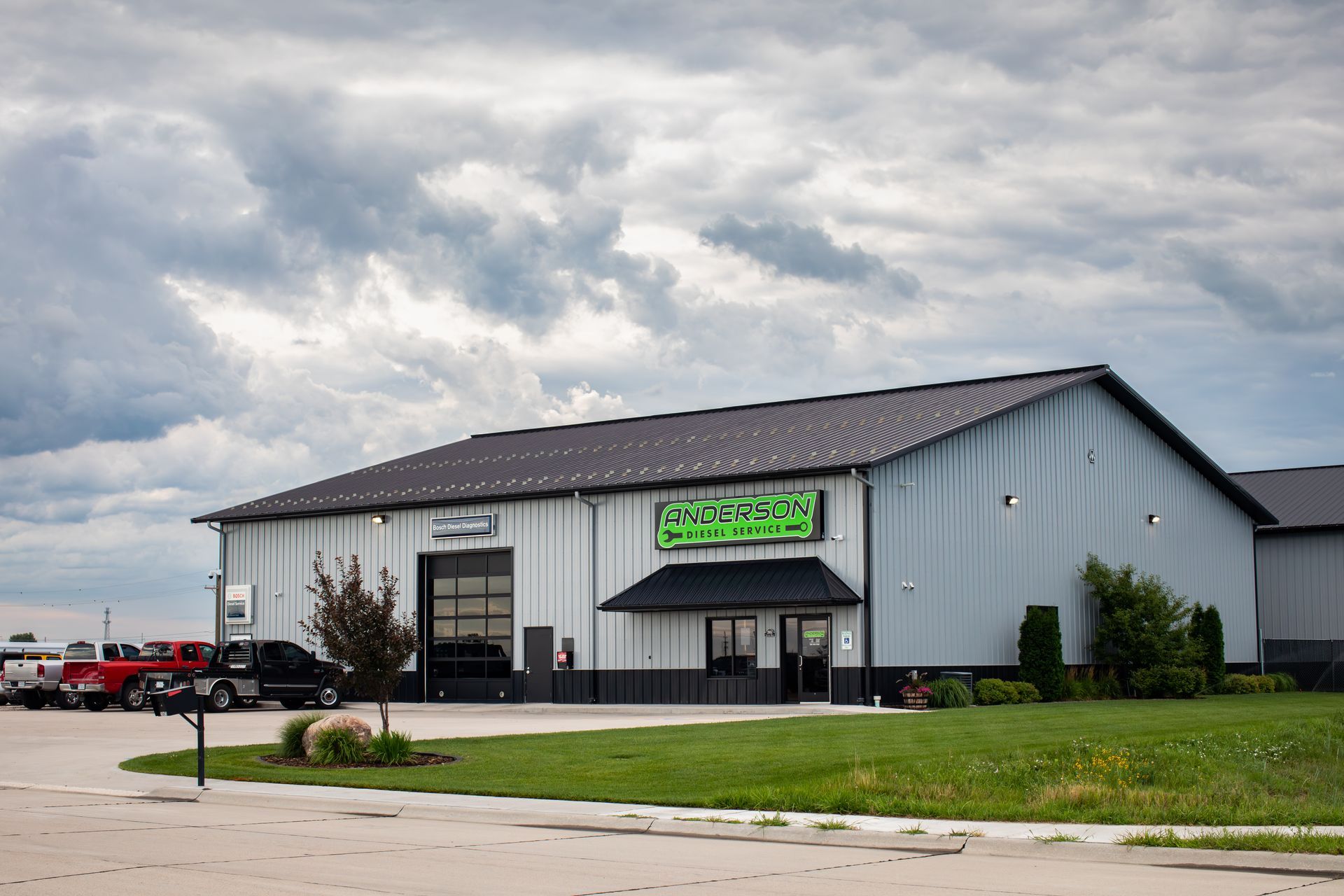
Every shop has a starting point, and for our family, the story of Anderson Diesel Service starts with our dad, Rob. Dad started working at Anderson’s 39 years ago. Over the years, he worked his way up, became part owner, and helped build the foundation of the business we have today. Eventually, Dad decided to pursue another passion and went into teaching. He remained an owner and stayed involved with Anderson’s, but stepped away from the day-to-day operation of the shop. Two Brothers Growing Up Around the Shop That’s where our part of the story really begins. Growing up around the shop, my brother and I both knew we wanted to make a career out of working on diesels. My brother started working at Anderson’s part-time while going through college. I pursued the semi-truck side of the industry through college, an internship, and eventually a job at Cummins in Kearney. At the time, Anderson’s was going through a transition. After some changes in management, the shop needed someone to step in and take over the day-to-day operation. I remember asking Dad if he thought I could do it. His answer was pretty simple: “I don’t see why not.” So at just 20 and 21 years old, my brother and I took it on. During business hours, it was basically the two of us running the shop. We worked on the trucks, dealt with the day-to-day problems, answered the phones, and learned pretty quickly what it took to keep a business moving forward. Dad was teaching full-time, but he was always there when we needed him—helping after hours, answering questions, and giving us guidance along the way. Buying Anderson Diesel Service Then, in August of 2019, we had the opportunity to buy Anderson Diesel Service. We were still operating out of that little two-bay shop, and we knew pretty quickly that if we wanted to keep growing, we were going to need more room. We rented the old shop for another year and made the decision to build a new seven-bay facility on Silver Road. Then COVID hit. Like everyone else, we had no idea what the next year was going to look like. We had just bought a business, we were still young, and now we were committed to building a brand-new shop in the middle of a lot of uncertainty. But we kept moving forward. We finished the building, moved out of the little two-bay shop, and into our new seven-bay home. Seven Bays Became Fourteen And eventually, we outgrew that too. So we took another leap and added seven more bays, bringing us to the shop we have today. Dad continued teaching throughout that entire journey, but he never stopped being an important part of Anderson Diesel Service. Today, he plays a major role in our fuel injection room and continues to be someone we lean on for his knowledge, experience, and advice. Still a Family Business It’s pretty incredible to look back. From two brothers at 20 and 21 years old trying to figure out how to run a little two-bay diesel shop… To buying the business in 2019. Building a new shop through COVID. And eventually growing it into the 14-bay facility and team we have today. There have been plenty of risks, long days, mistakes, and lessons along the way. But through all of it, Anderson Diesel Service has remained a family-owned business built on the foundation Dad helped create nearly four decades ago. And we’re still building. We’re not done yet.
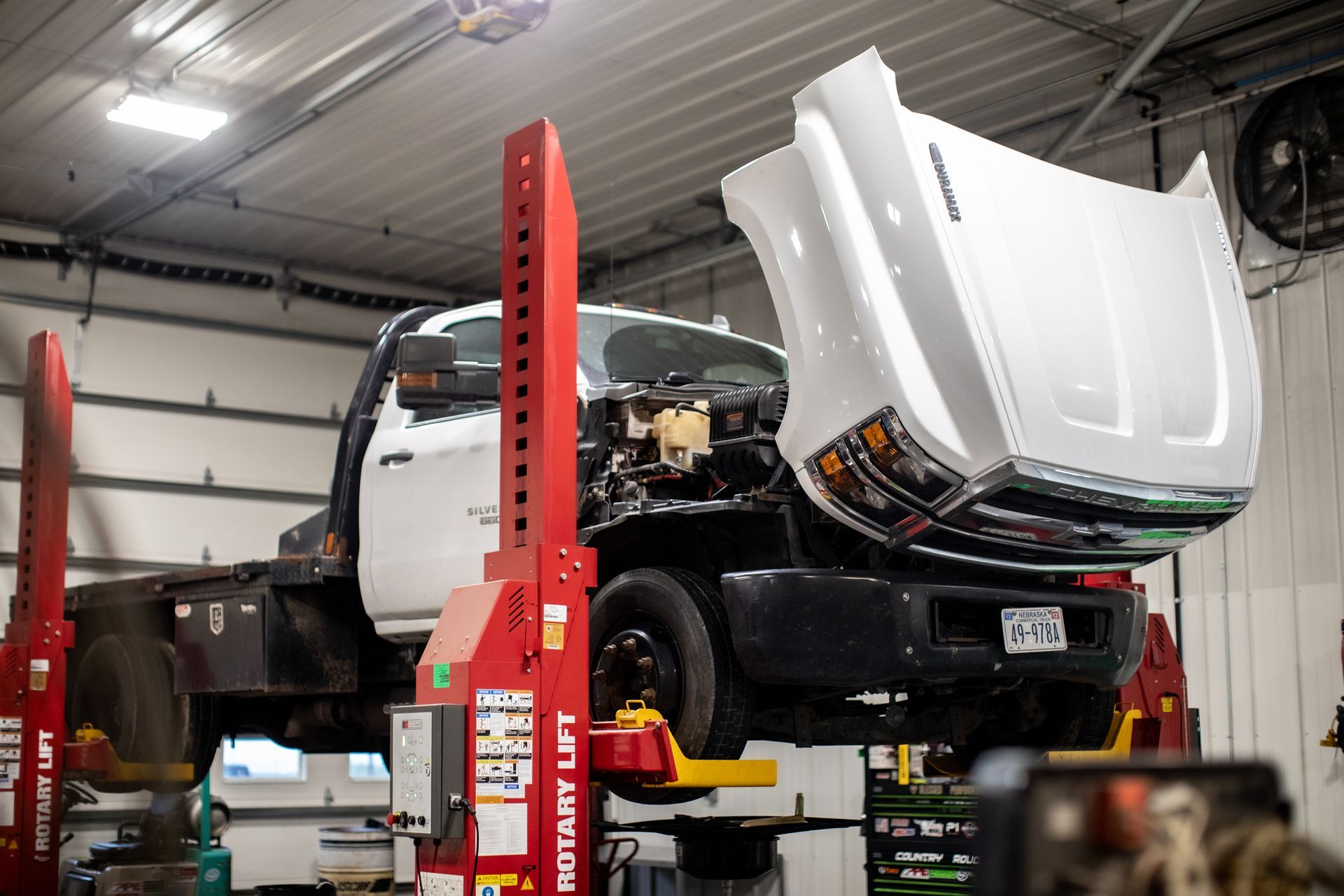
When your business depends on trucks, downtime is more than an inconvenience. A truck sitting in the shop can mean delayed jobs, missed deliveries, and lost time for your employees. Whether your business operates one work truck or an entire fleet, staying ahead of repairs and maintenance can help keep your trucks where they belong—on the road and working. At Anderson Diesel Service, we service and repair fleet and medium-duty diesel trucks for businesses that depend on their equipment every day. Your Work Trucks Need to Stay Working For many businesses, trucks aren't just transportation—they're an important part of getting the job done. Whether you're running service trucks, delivery and box trucks, construction trucks, landscaping trucks, agricultural service trucks, or other commercial diesel vehicles, having one down can disrupt the entire day. That's why keeping up with maintenance and addressing problems early matters. The goal isn't just to fix a truck when something breaks. It's to help keep the trucks your business depends on reliable and ready to work. Fleet Maintenance Is About More Than Fixing Breakdowns Waiting until a truck won't start or leaves an employee stranded isn't the best time to start thinking about maintenance. Regular inspections and preventative maintenance can help catch developing problems before they turn into larger repairs or unexpected downtime. Oil and filter changes, brakes, cooling systems, fuel systems, electrical components, and other wear items all need attention as miles and hours add up. For businesses operating multiple trucks, staying on top of those services becomes even more important. When Something Goes Wrong, Proper Diagnostics Matter Modern diesel trucks have increasingly complex engine, fuel, electrical, and emissions systems. A warning light or drivability problem doesn't always point directly to the component causing it. Replacing parts based on symptoms alone can get expensive quickly. Proper diagnostics help narrow down the source of the problem so repairs can be based on what the truck actually needs rather than guesswork. Diesel Fuel System Experience Matters Fuel system problems can cause hard starting, rough running, loss of power, poor fuel economy, excessive smoke, and other issues that can take a truck out of service. Diesel fuel systems have been at the heart of Anderson Diesel Service for decades. Our capabilities include fuel system diagnostics and repair, along with injector and injection pump testing and service. That experience is especially valuable when you're dealing with a commercial truck that needs to get back to work. One Truck or an Entire Fleet You don't need dozens of trucks to benefit from thinking about maintenance like a fleet. If your business relies on even one or two diesel trucks every day, keeping them maintained and addressing problems early can help reduce unexpected interruptions. For companies with larger fleets, having a diesel repair shop you can turn to for routine service, diagnostics, and repairs can make managing those vehicles easier. Fleet & Medium-Duty Diesel Service at Anderson Diesel Anderson Diesel Service works on more than diesel pickups. We provide service and repair for medium-duty and fleet trucks used by businesses throughout Grand Island and the surrounding area. From preventative maintenance and diagnostics to fuel system, engine, transmission, electrical, and general diesel repairs, our goal is to help keep the trucks your business depends on working. Have a fleet or medium-duty diesel truck that needs service? Give Anderson Diesel Service a call to talk with us about your trucks and schedule service.