Are you wondering what steps go into diesel service maintenance? Read on to learn more from the experts about what you can expect from the maintenance proccess.
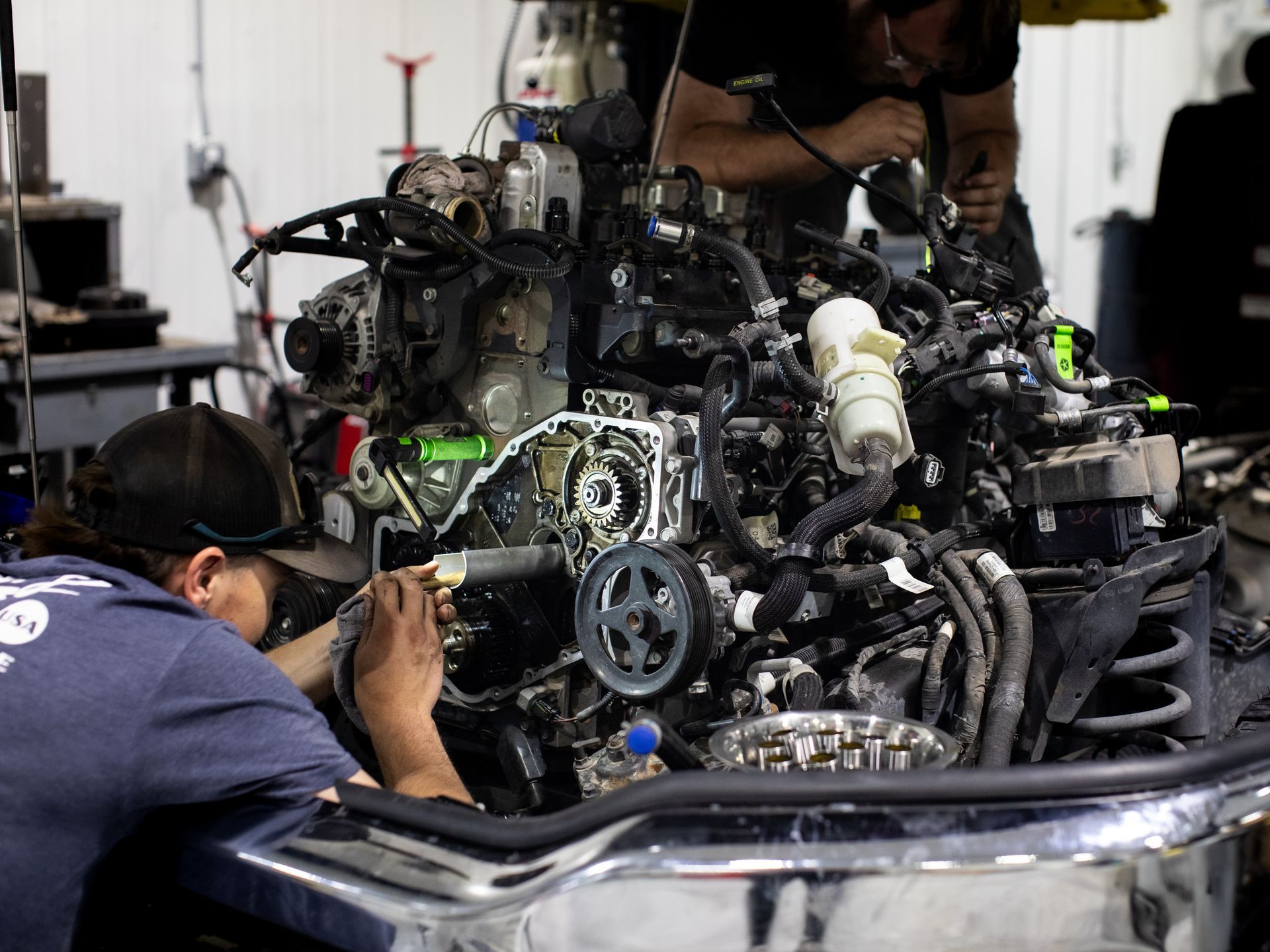
If you own a 2019–2024 Ram with the 6.7L Cummins, you may have heard concerns about the factory hydraulic roller lifters and camshaft. For owners facing camshaft or lifter repairs—or those planning to keep their trucks for years—the Hamilton flat tappet conversion provides an alternative to reinstalling the original-style hydraulic roller valvetrain. At Anderson Diesel Service in Grand Island, Nebraska, we install Hamilton flat tappet conversion kits and help owners decide whether the conversion is right for their truck. What Does the Hamilton Flat Tappet Conversion Do? The conversion replaces the factory hydraulic roller camshaft and lifters with a matched solid flat tappet valvetrain. Hamilton’s 2019–2024 conversion kit includes: A 178/208 forged-steel camshaft DLC-coated steel tappets Upgraded pushrods Adjustable rocker arms with DLC-coated trunnions The components are designed to work together as a complete system. This is more than simply replacing a camshaft or installing a different set of lifters. According to Hamilton, the kit fits 2019–2024 Ram 2500, 3500, 4500, and 5500 trucks equipped with the 6.7L Cummins. It is also certified for street use in 49 states but is not offered for California applications. Why Do Cummins Owners Consider This Conversion? The truck already needs camshaft or lifter repairs If a camshaft or lifter problem has already been confirmed, the engine will require significant disassembly and repair. This creates an opportunity to compare two options: reinstalling original-style hydraulic roller components or converting the engine to Hamilton’s flat tappet system. The right choice depends on the condition of the engine, how the truck is used, the repair budget, and how long the owner plans to keep it. The owner plans to keep the truck long term Major engine repairs are an investment. Owners who rely on their trucks for work, towing, farming, or daily transportation often want to consider long-term reliability when deciding how to proceed. A properly installed and maintained conversion may make sense for someone who plans to keep the truck rather than trade it soon. The owner wants an alternative valvetrain design The Hamilton kit replaces the factory hydraulic roller setup with a solid flat tappet design using a matched camshaft, tappets, pushrods, and adjustable rocker arms. However, concern about the factory valvetrain does not automatically mean every 2019–2024 Cummins needs an immediate conversion. The truck’s condition, symptoms, mileage, and intended use should be evaluated before recommending a major repair. Is the Conversion Maintenance-Free? No. Proper installation and continued maintenance are essential. Unlike the factory hydraulic setup, the solid flat tappet system requires correct valve-lash adjustment. Hamilton specifies: 0.010 inch intake valve lash 0.020 inch exhaust valve lash Valve lash must be set correctly after the initial run-in and checked again when required. Incorrect lash can damage the tappets and their protective coating. Oil selection is also important. Hamilton requires approved 15W-40 oil under normal operating conditions or an approved 5W-40 oil in sub-zero conditions. The oil must provide the additive package and film strength needed by a flat tappet valvetrain. This is not a “install it and forget about it” upgrade. Anyone considering the conversion should understand the oil and valve-lash requirements before moving forward. Why Proper Installation Matters A Hamilton flat tappet conversion is a detailed internal-engine repair. Proper installation includes more than replacing parts. The engine must be inspected for related damage and contamination. The sealing surfaces, lubrication system, camshaft, tappets, pushrods, rocker arms, and valve adjustment all require careful attention. Metal contamination from an existing failure can damage new valvetrain components. Initial lubrication and oil pressure are also especially important during startup and break-in. That is why the engine should be evaluated before the kit is installed. The extent of an existing failure may affect the total repair and determine whether additional parts or machine work are needed. Is the Hamilton Conversion Right for Your Truck? It may be worth discussing if: Your 2019–2024 Cummins has a confirmed camshaft or lifter problem The engine is already being disassembled for valvetrain repairs You intend to keep the truck long term You understand the oil and valve-lash requirements You want to compare the conversion with reinstalling factory-style components It may not be the right recommendation for every truck. A healthy engine without symptoms, a truck with extensive internal damage, and a truck that will soon be sold may each require a different approach. The first step should be inspecting the truck and understanding the full condition of the engine. Hamilton Flat Tappet Conversion Installation in Grand Island, Nebraska Anderson Diesel Service installs Hamilton flat tappet conversion kits for 2019–2024 Ram trucks equipped with the 6.7L Cummins. We’ll evaluate your truck, explain what we find, and help you compare the available repair options. If the conversion makes sense, we’ll also explain its maintenance requirements so you know what to expect after installation. If your Cummins has valvetrain noise, a suspected camshaft or lifter problem, or you want to discuss the Hamilton conversion, call Anderson Diesel Service in Grand Island at (308) 389-3590 . Anderson Diesel Service Grand Island, Nebraska Cummins diagnostics, engine repair, and Hamilton flat tappet conversion installation
Common Causes and Why Finding the Source Matters